
Have you ever listened to a computer-created song and wondered who owns it or whether it is actually legal to publish?
You are definitely not the only one. Tools like Suno have opened the door to exciting new music possibilities, but they also created a fair amount of confusion.
Musicians want clarity, content creators want safety, and casual users simply want reassurance that they are not stepping into legal trouble.
This guide breaks down what these generated songs actually are, how copyright is currently treated, what licensing usually allows, and where the realistic limits truly sit.
Content Navigation
What Suno Songs Really Are
Suno creates tracks by using models trained on patterns, prompts, and musical structures. The final result sounds like any normal piece of music, but it is neither recorded in a traditional studio nor performed by real session artists.
Instead, the system builds something that never existed before your request. That is why many people describe these tracks as “synthetic originals.”
Understanding that difference matters because it directly influences how ownership, responsibility, and regulation are viewed while global legal frameworks continue developing.
Copyright Reality: Who Actually Owns The Music?
Copyright laws worldwide are still adapting. Many regions are debating whether fully computer-generated works qualify for standard creative protection, since the songs are not produced through human performance in the classical legal sense.
Because of that, full artistic ownership is still considered a gray area in several countries.
In practical everyday use, Suno typically provides usage permissions through its platform rules, and those permissions often matter more than theoretical legal debates.
For safety, it is smarter to treat these songs as licensed material rather than assuming traditional authorship status, especially when publishing or monetizing.
Licensing: What You Are Commonly Allowed To Do
Licensing is where most real-world clarity appears. Instead of asking, “Do I fully own this forever?”, the far more helpful question is, “What does my plan actually permit me to do?”
Here is a simple way to think about it:
| Use Case | What It Usually Means |
| Personal Enjoyment | Listening, sharing casually, experimenting |
| Content Creation | Using in videos, streams, podcasts depending on plan |
| Commercial Projects | Sometimes allowed, sometimes restricted |
| Redistribution | Often limited or controlled |
Different plans sometimes come with different permissions. Always read the current terms carefully.
Realistic Limits: What You Should Avoid Doing
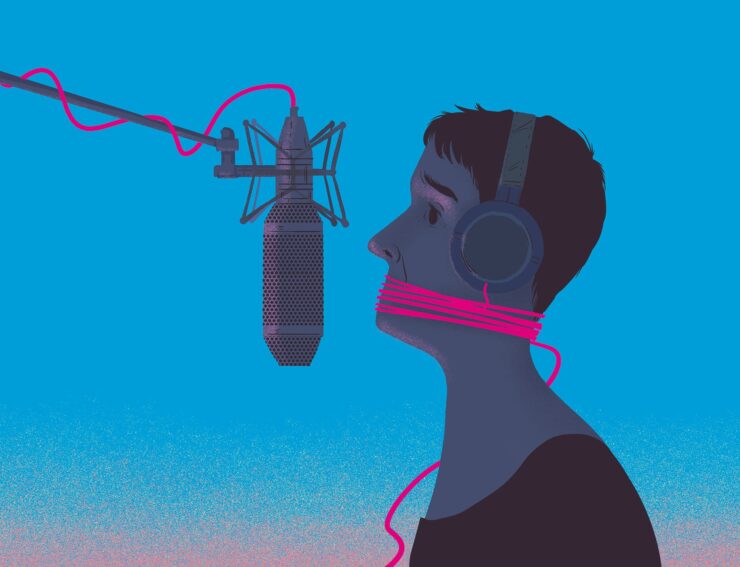
Even though these tools feel powerful, there are important boundaries. You should not try to replicate a specific artist’s identity, copy well-known melodies, or imitate trademarked voices.
Another thing to remember is accountability. If something sounds uncomfortably similar to an already protected work, you are still the one publishing it, so risk applies to you.
Treat the technology as help for creativity, not a shortcut around artistic ownership.
When something feels questionable, choosing caution is usually the smarter move.
Publishing Music On Platforms And Content Services
Creators using generated music often face platform-specific handling. Streaming services, social platforms, and distribution systems are still shaping their rules. Some are welcoming but cautious, while others continue refining policy.
Being honest and respecting platform guidelines usually helps a lot. If you ever want to analyze text-based content, originality tools such as AI detector free can be useful when clarity and transparency matter.
Creative Value: Why This Technology Still Matters
Some people think digital song creation removes creativity, but in reality, it shifts where creativity happens. Instead of focusing only on performance, the value lies in direction, storytelling, and musical intent.
Many musicians already use these tools for brainstorming, early demos, and breaking creative block. For beginners, it provides access to music creation without expensive equipment. For professionals, it can spark unexpected ideas.
Did you know?
Producers in modern studios are already experimenting with machine-generated drafts as part of their workflow, especially for testing ideas quickly.
Ethics, Transparency, And Respecting Artists
Rules are one part of the conversation. Ethics are the other. Responsible use means respecting real musicians, not misleading listeners, and avoiding mimicry that could misrepresent identity or authorship.
Clear labeling builds trust and prevents backlash. Honesty goes a long way in music communities. Used thoughtfully, technology becomes support for creativity, not competition against it.
Treat these songs as licensed synthetic audio shaped by your creative direction, not traditional human-copyrighted work.
That mindset simplifies everything. It explains why usage agreements matter, why caution matters, and why laws are still evolving.
Final Thoughts
Music generated with Suno is exciting, useful, and opens huge creative potential. It helps beginners experiment, lets experienced musicians explore new ideas, and gives content creators fresh material to work with.
But it also comes with limits. Copyright discussions are evolving, licensing usually matters most in real practice, and ethical responsibility should never be ignored.
Stay informed, stay respectful, and use the tools wisely. That balance protects creativity and keeps it enjoyable.
Frequently Asked Questions
Can these songs be registered with traditional copyright offices?
In many regions, purely machine-generated works are not yet recognized as standard copyrighted material. Check local regulations before attempting registration.
Can I upload them to streaming platforms?
Some allow it, some restrict it, and many are still updating their rules. Always check platform policy.
What if my generated song sounds too similar to an existing one?
There can still be disputes. Originality and caution matter.
Do I have to disclose that the song was created using software?
Not always legally required, but ethically smart and sometimes required by platforms.
Will laws around this change?
Yes. Governments and music organizations are actively shaping clearer frameworks, so staying updated is important.
